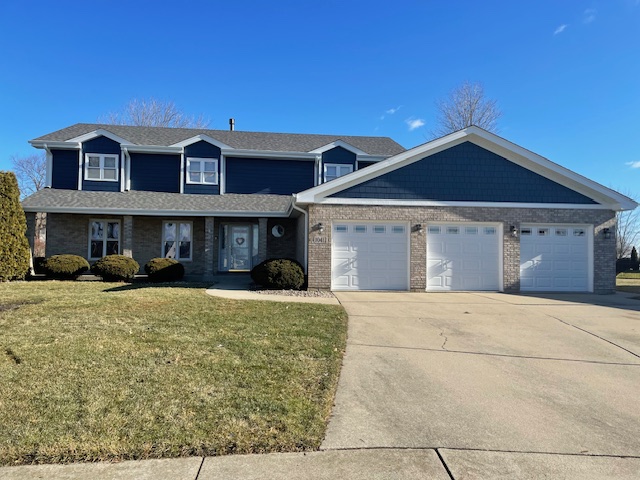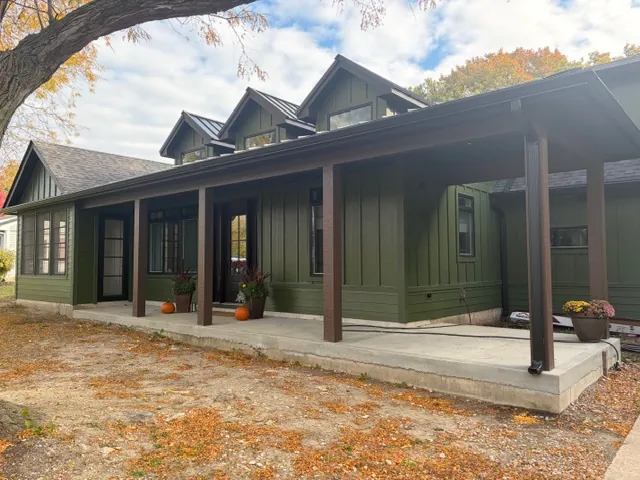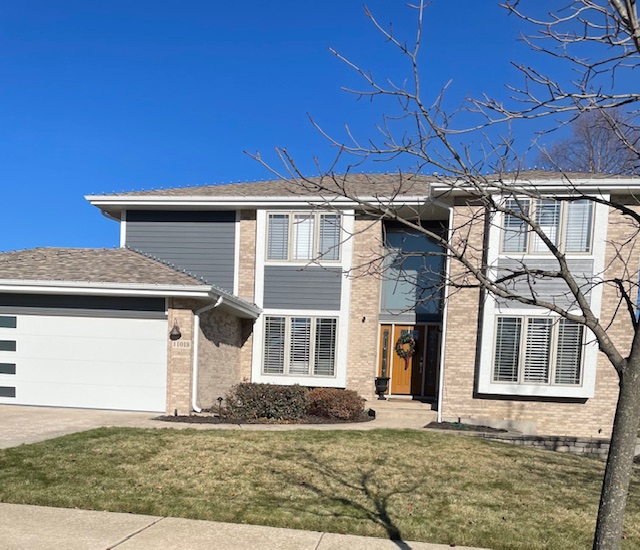
Get three siding quotes for the same house and you may see three very different numbers. That does not always mean someone is overcharging. Usually it means the three quotes are not for the same job.
Here is what actually drives the cost of replacing siding in Orland Park and the south suburbs, how contractors measure your home, and how to compare quotes so you know what you are paying for.
The quick answer. Siding is priced by the square, which is 100 square feet of wall. The total cost depends on how many squares your home has, the material you choose (vinyl, James Hardie fiber cement, or others), how much old material has to come off, how much trim, soffit, and fascia is included, and what repairs are found underneath. A complete quote spells out each of these. If yours does not, ask.
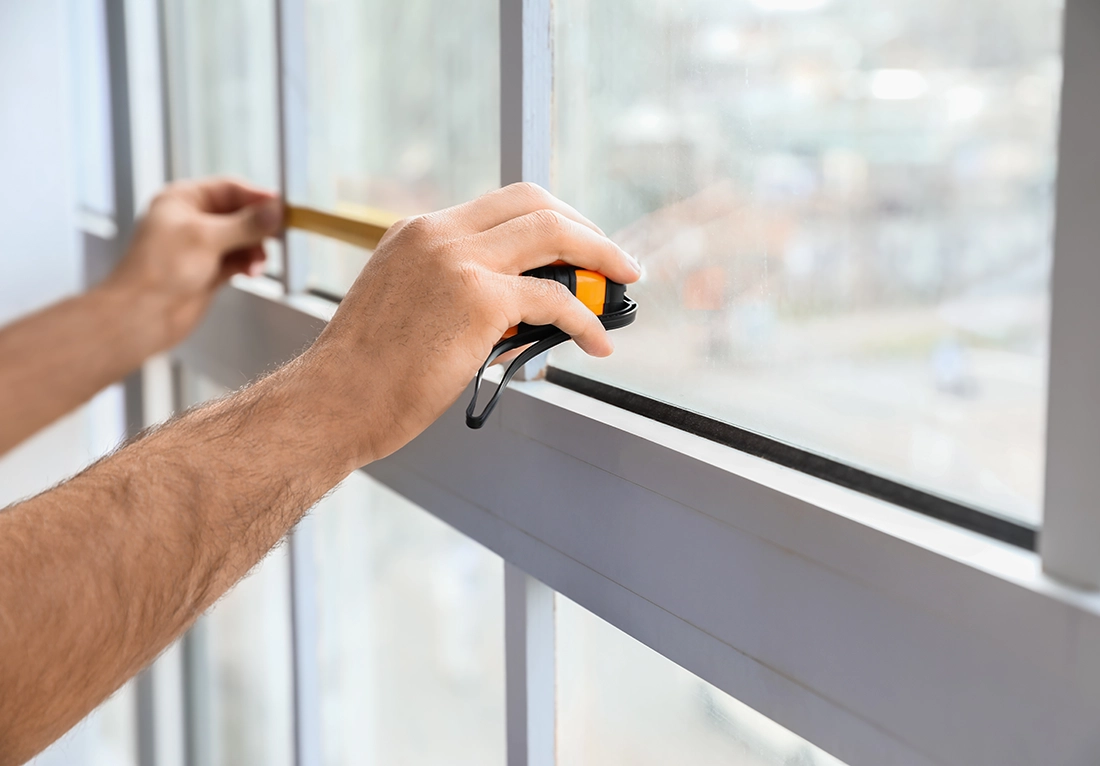
How contractors measure your home. Your installer measures the wall area of each side of the house, subtracts large openings like garage doors, and adds a waste factor for cuts, corners, and gables. The result is the number of squares. A one-story ranch has far fewer squares than a two-story colonial with the same footprint. Many contractors now use aerial measurement reports or a photo-based app, then confirm the numbers on site.
1. Material is the biggest single choice. Vinyl siding is the most budget-friendly option, and quality varies a lot by thickness and profile. James Hardie fiber cement costs more for materials and takes more skilled labor to install, but it resists hail, fire, woodpeckers, and our freeze-thaw cycles, and its factory ColorPlus finish holds up for years. Our comparison of vinyl vs. James Hardie siding covers the trade-offs in detail.
2. Tear-off and disposal. Removing the old siding takes labor and dumpster space. One layer of old vinyl or aluminum comes off quickly. Two layers, or old wood siding with lead paint on a pre-1978 home, takes longer and may require lead-safe work practices. Some contractors quote siding over the old layer to save money. We do not recommend it, because it hides problems and traps moisture.
3. What is underneath. This is the line item nobody can price perfectly in advance. Once the old siding is off, the installer can see the sheathing. Soft or rotted spots around windows, doors, and the bottom courses are common on older homes. A good quote states how repairs will be handled, usually a per-sheet price for sheathing replacement, so there are no surprises.
4. House wrap, flashing, and insulation. A water-resistive barrier, proper flashing at every window and door, and kick-out flashing where roof lines meet walls are not optional. They decide how long the siding lasts. Some homeowners also add foam insulation board under the siding for extra energy savings. Our article on what goes behind your siding explains each layer.
5. Trim, soffit, fascia, and gutters. Window and door trim, corner boards, soffits, and fascia can add up to a real share of the job, especially on homes with many windows or deep overhangs. Ask whether the quote includes new soffit and fascia or just wraps the old ones. If your gutters are near the end of their life, replacing them during the siding job saves removing and reinstalling them twice.
6. Height, access, and shape. A two-story wall needs more staging and time than a one-story wall. Steep lots, tight side yards, decks, and landscaping close to the house slow the work down. So do dormers, bump-outs, bay windows, and multiple gables. A simple rectangle costs less per square than a house with lots of corners.
7. Permits. In Orland Park and most neighboring villages, siding replacement requires a permit and a final inspection. Your contractor should pull it and include the fee in the quote. See our permits and contracts guide.
8. Windows at the same time. If you are planning new windows in the next few years, doing them with the siding often saves money overall. The openings are already exposed, so new windows can be flashed directly into the new house wrap and finished with new trim in one pass.
Is storm damage covered by insurance? If hail or wind damaged your siding, your homeowners policy may cover some or all of the replacement, minus your deductible. That changes the math completely. Our guide to siding storm damage and insurance claims in Illinois explains how the process works, and our hail-resistant siding page covers materials that stand up to the next storm.
How to compare quotes, apples to apples. Put the quotes side by side and check that each one includes the same items: the brand and product line of the siding; the number of squares; tear-off and disposal; house wrap and flashing details; trim, soffit, and fascia; how wood repairs are priced; the permit; cleanup; and both the manufacturer warranty and the contractor's own workmanship warranty in writing. A quote that is far lower than the others is usually missing one or more of these.
Questions to ask before you sign. Is the installer authorized by the siding manufacturer? Who will be on site every day? How will you protect my landscaping and windows? What happens if you find rot? When will the final inspection happen? A contractor who answers these clearly is a contractor you can hold accountable.
Does timing affect the price? Spring and summer are the busiest seasons, so schedules fill up fast. Fall is a popular time to book, and many siding jobs can be done well into the colder months as long as the crew follows the manufacturer's temperature limits for caulks and sealants. Booking early gives you the most flexibility.
Paying for it. New siding is a major investment in your home. SWS Siding & Windows offers financing through Finturf, so you can spread the cost into monthly payments.
Get a quote you can actually compare. SWS Siding & Windows is a James Hardie Preferred Contractor based in Orland Park, and we install both James Hardie and vinyl siding across the south suburbs. We measure your home, show you every line item, and explain the options side by side so you can make a confident decision. Call 708-215-2737 or request your free estimate online.