Marvin or Andersen? It is one of the most common questions we hear at the kitchen table. Homeowners have usually read three online reviews that contradict each other and talked to a salesperson who only sells one of the two.
We install both. So here is the straight version: what is actually different, where each one shines, and how to decide for a home in Orland Park and the south suburbs.
The short answer. Both are excellent, Minnesota-made window companies with more than a century in business, and both build windows meant for hard northern winters. Andersen is the bigger name with the broadest range of price points. Marvin leans toward fiberglass and high-end wood windows with deeper customization. The right choice usually comes down to three things: the frame material you want, how much customization your openings need, and your budget.
Who makes them. Andersen was founded in 1903 and is based in Bayport, Minnesota. It is one of the largest window manufacturers in North America. Marvin was founded in 1912 in Warroad, Minnesota, a town just south of the Canadian border, and it is still family-owned. Both companies design for cold climates because their own back yards demand it.
One point of confusion: Renewal by Andersen is a separate, full-service replacement company owned by Andersen that sells its own windows directly to homeowners. When you buy Andersen windows through an independent contractor like us, you are typically choosing from Andersen's own product lines, such as the 100, 200, 400, A-Series, and E-Series.
Andersen's main lines, in plain English. The 100 Series is made from Fibrex, Andersen's composite of reclaimed wood fiber and thermoplastic. It is the value line, and it is a real step up from basic vinyl. The 200 Series is a budget-friendly wood window with a protective exterior cladding. The 400 Series is Andersen's best-known line: a wood interior you can stain or paint, with a low-maintenance vinyl-clad exterior. The A-Series and E-Series are the architectural and custom lines, with more styles, colors, and finishes.
Marvin's main lines, in plain English. Marvin Essential is all fiberglass, inside and out, built from Marvin's Ultrex material. It is tough, low-maintenance, and the entry point to the brand. Marvin Elevate pairs a fiberglass exterior with a warm wood interior. The Marvin Signature collection, including Ultimate and Modern, is where Marvin is strongest: wide size ranges, true custom sizing, and architectural details that matter on older or high-end homes.
Frame material is the real difference. Most of the Marvin vs. Andersen debate is really a fiberglass vs. composite vs. vinyl-clad wood debate. Here is how each holds up in our weather.
Fiberglass (Marvin Essential and Elevate). Fiberglass expands and contracts at almost the same rate as glass. That matters here. When a January night drops below zero and a sunny afternoon warms the south side of your house, a fiberglass frame moves with the glass instead of fighting it. That means less stress on the seals over time. Fiberglass also holds dark exterior colors well, which is why it is popular on modern farmhouse and black-window designs.
Fibrex composite (Andersen 100 Series). Fibrex is stiffer and more stable than standard vinyl, and it also handles dark colors better than vinyl does. For homeowners who want a step above vinyl without moving into wood-interior pricing, it is a strong option.
Clad wood (Andersen 400 Series, Marvin Elevate and Signature). A wood interior looks and feels like a real window, and it can be stained to match your trim. The cladding on the outside does the hard work against rain, snow, and sun. If you love wood trim and want windows that match it, this is the category to look at.
Energy performance in a Chicago winter. Do not choose a brand on the energy claims alone. Choose a specific window and read its label. Every certified window carries an NFRC label with a U-factor, which measures how fast heat escapes. Lower is better. For our area, look for windows that are ENERGY STAR certified for the Northern climate zone. Both Marvin and Andersen offer plenty that qualify, and the glass package you choose (double vs. triple pane, low-E coatings, gas fills) often matters more than the brand name on the frame.
You can look up any window's certified ratings in the NFRC directory and check the current ENERGY STAR window requirements before you buy.
Customization and odd-sized openings. Plenty of south suburbs homes were built with standard window sizes, and either brand will fit them without a fuss. Older homes, custom builds, and homes where previous owners made changes are different. Marvin's custom sizing and its Signature options often make it the easier fit for unusual openings, arched tops, and historic details. Andersen's A-Series and E-Series also handle custom work well, at a higher price point than the 400 Series.
Price, roughly. We do not publish prices, because the window is only part of the cost. Installation method, trim, and the number of openings all move the number. As a general rule, Andersen's 100 Series and Marvin Essential sit at the more affordable end of each brand. The Andersen 400 Series and Marvin Elevate sit in the middle. Marvin Signature and Andersen's A-Series and E-Series are the premium tier. Our window replacement cost guide walks through what drives the final number.
Installation matters more than the logo. Here is what most comparisons leave out. A premium window installed badly will leak air and water. A good window installed carefully, with proper flashing, insulation, and sealing, will perform for decades. Both manufacturers train and authorize installers for a reason. Ask any contractor which brands they are authorized to install, and how they flash and seal the opening.
Which one is right for your home? Choose Andersen if you want a trusted name with a broad range of price points, if the 400 Series' wood interior and low-maintenance exterior fits your style, or if a Fibrex 100 Series window gets you the performance you need within budget.
Choose Marvin if you want fiberglass for its stability in our freeze-thaw swings, if you are planning dark exterior colors, or if your home has unusual sizes or architectural details that need true custom work.
Not ready for either? Alliance Windows is a well-built, value-focused option we also install, and it is a good fit for rental properties or budget-first projects.
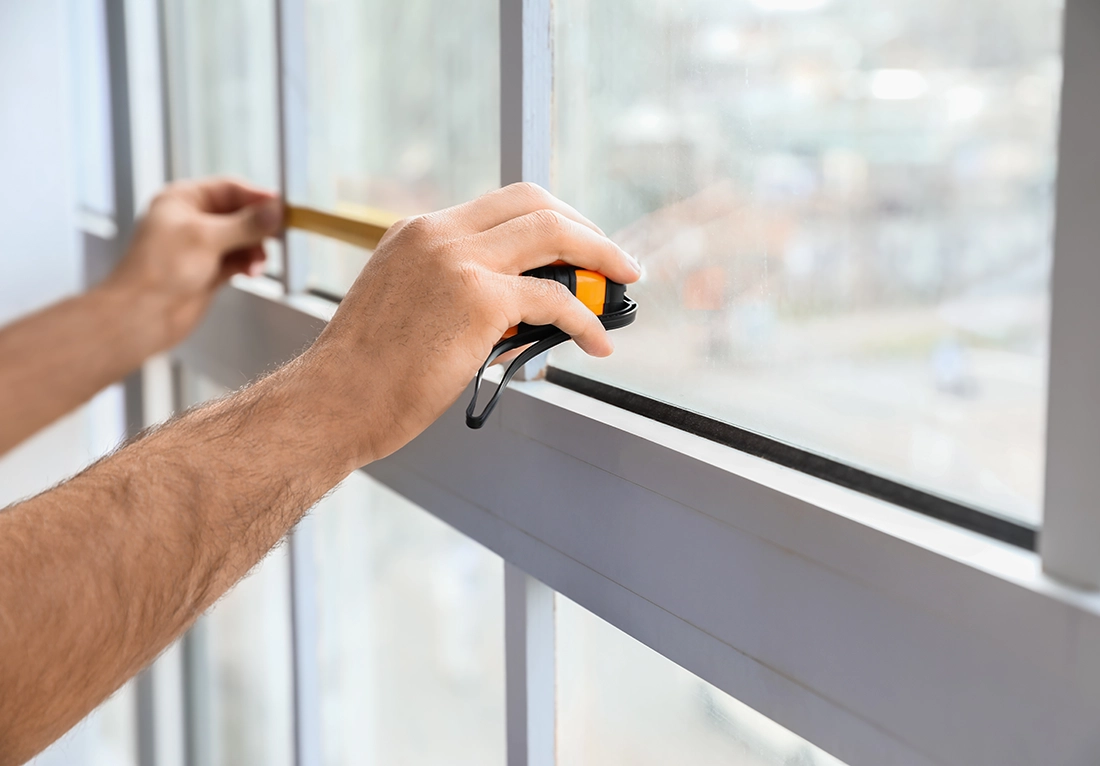
See them side by side. The best way to decide is to put your hands on both. At SWS Siding & Windows we install Marvin and Andersen windows across Orland Park, Tinley Park, Frankfort, Homer Glen, Mokena, and the rest of the south suburbs. We will measure your openings, show you the options that actually fit, and give you a clear written quote for each, so you can compare apples to apples. Start on our windows page or call 708-215-2737.