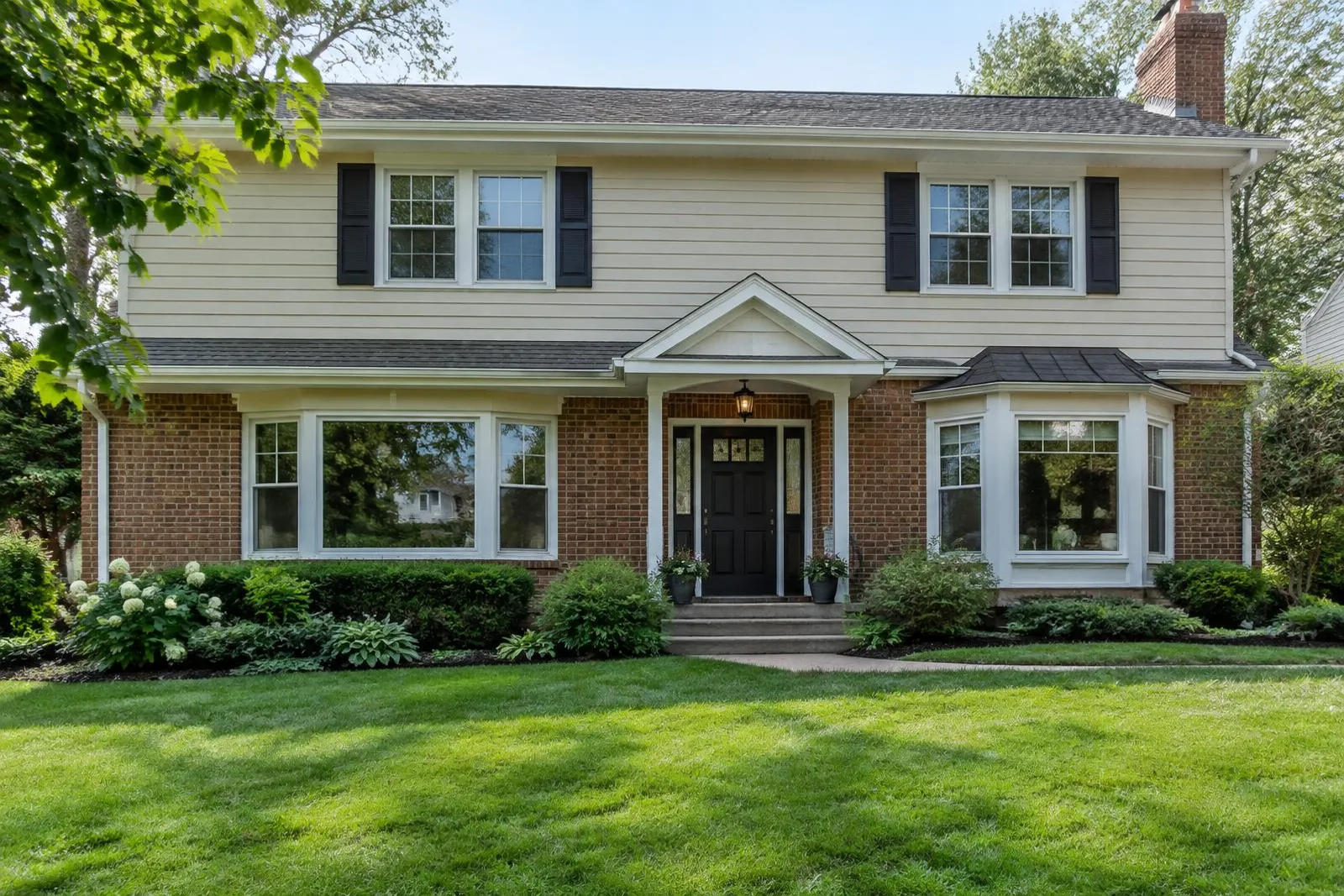
Most homeowners spend weeks comparing siding colors and window styles. Very few spend ten minutes checking the paperwork. That is backwards. The permit, the paperwork, and the contract are what protect you if something goes wrong.
Here is what Illinois law and your village actually require for siding and window work, and the simple checks that separate a real contractor from someone who will be gone by next storm season.
Yes, you need a permit. A lot of people are surprised to learn that replacing siding or windows needs a permit. In Orland Park, it does. The Village requires a separate permit for each of these:
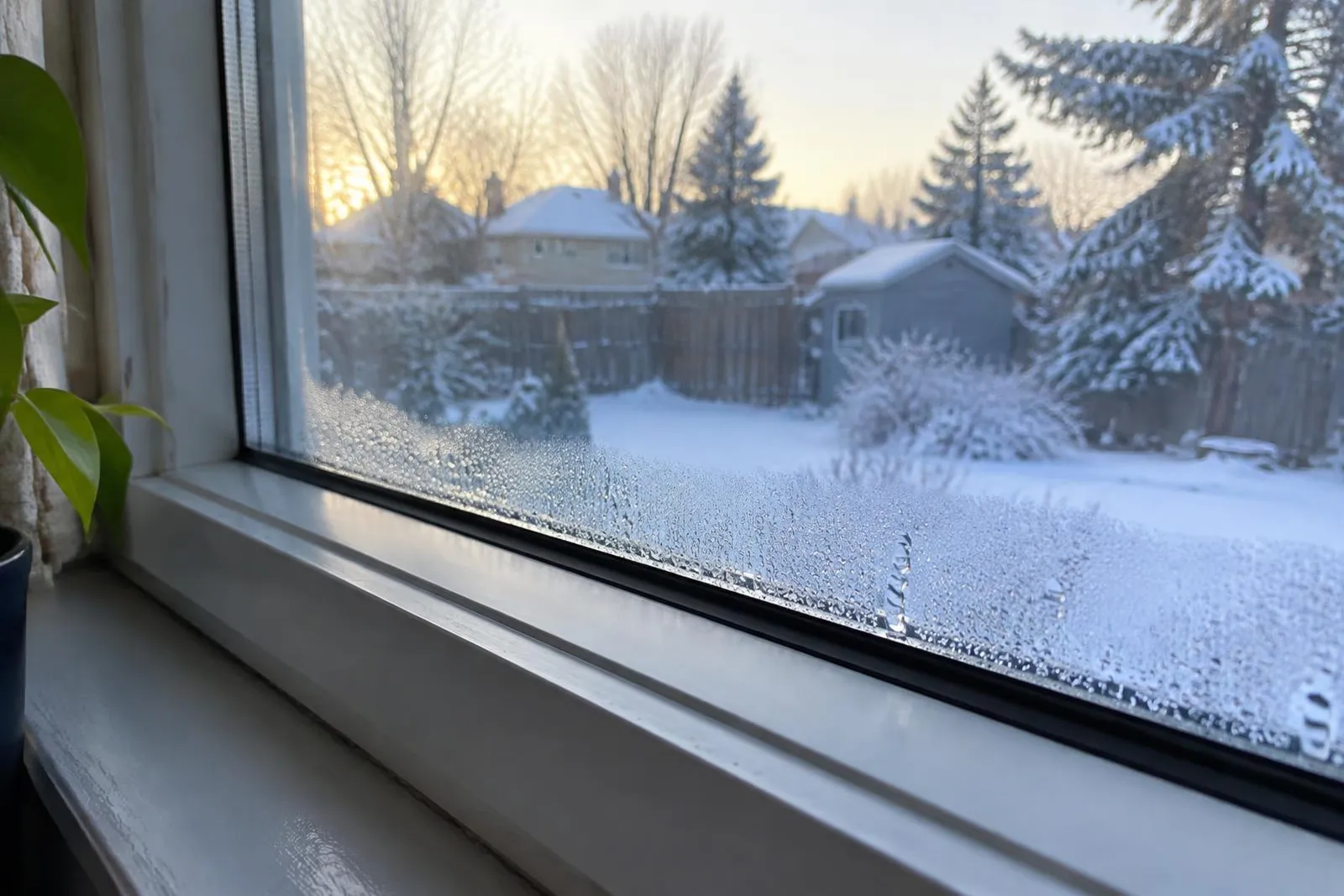
Windows and exterior doors. Any replacement, along with the Village's Exterior Window and Door Replacement rules form. Storm and screen doors are the one exception.
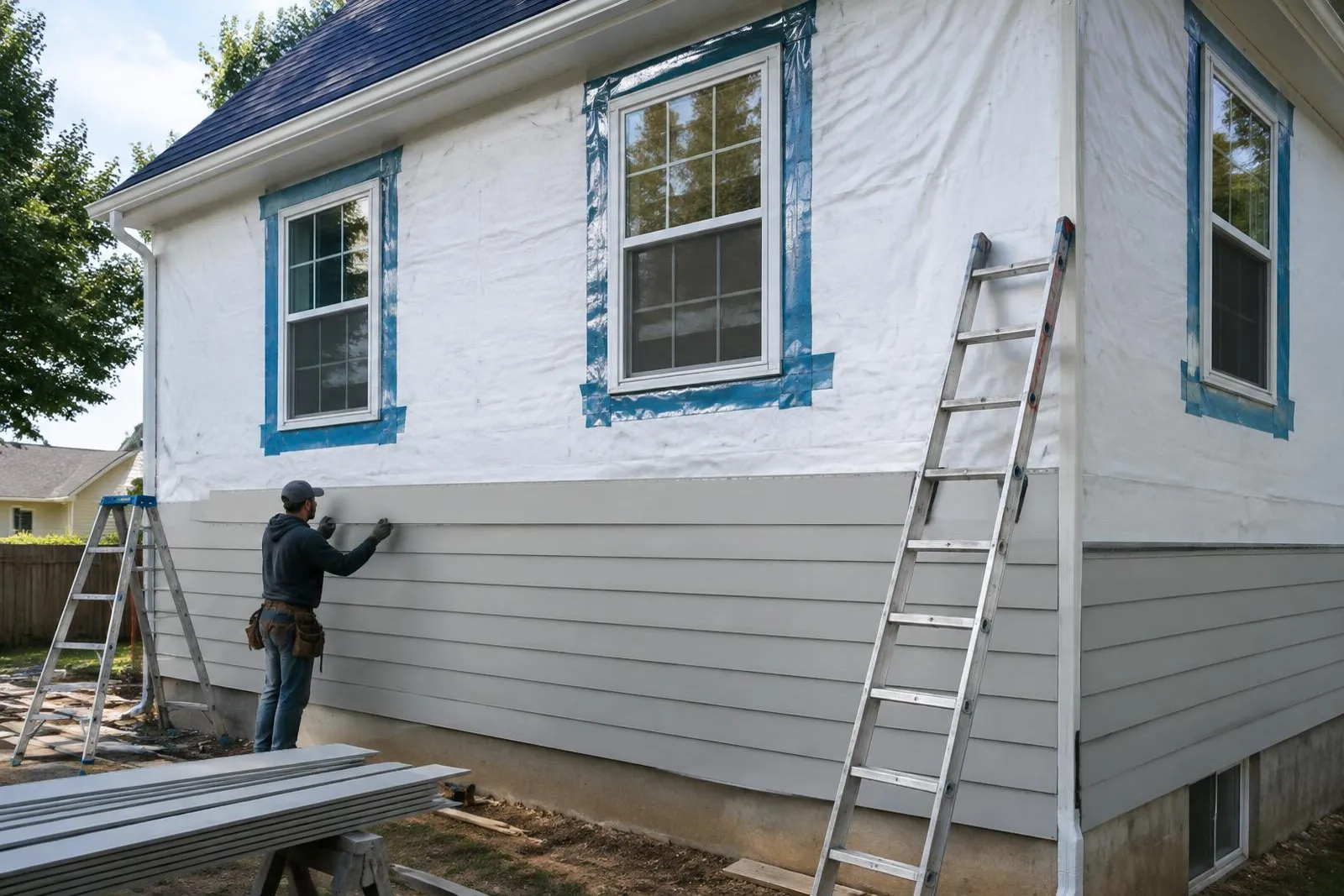
Siding, gutters, and fascia. Its own permit, separate from the window permit.
For a single-family home, the Village lists each of these permits at $95. Each one ends with a final inspection, and the Village is clear that work cannot begin until the permit is approved and issued. Applications and inspection requests go through the Village's online portal.
Other south suburbs, including Tinley Park, Frankfort, and Homer Glen, run their own building departments with their own forms and fees. The details change from town to town. The principle does not: exterior replacement work generally needs a permit, and your contractor should know the local process without having to look it up.
Why the permit protects you, not just the village. It is tempting to see a permit as red tape. Here is why it is worth it:
1. A second set of eyes. The final inspection is an independent check that the work was done to code.
2. Selling your home. Unpermitted work can surface during a sale and cause delays, repair demands, or a lower price.
3. Insurance. After a storm, a documented, permitted, inspected siding or window job is much easier to defend in a claim.
4. A filter. Contractors who say "we don't need a permit for this" are telling you something about how they run their business.
In most cases, the contractor pulls the permit. If anyone asks you to pull it yourself as the homeowner, ask why. In Orland Park, a homeowner who does the work themselves files a Homeowner's Affidavit. That is meant for real do-it-yourselfers, not for hired crews working off the books.
Illinois has no state license for siding and window installers. Here is something many homeowners assume wrong. Illinois does not issue a state license for siding or window installers. That means anyone with a truck and a ladder can call themselves a siding contractor. It is up to you to check.
These checks take a few minutes and tell you a lot:
1. Manufacturer authorization. Siding and window makers train and approve installers for their products. Ask which brands the company is authorized to install, and ask to see proof. Installing a product the wrong way can void its warranty.
2. Insurance. Ask for a certificate of general liability insurance and workers' compensation, sent straight from the insurance agent. If a worker is hurt on your property and the contractor has no coverage, that can become your problem.
3. A real local address. A company with a local office and a local phone number is much easier to reach when you need warranty work five years from now.
4. References and reviews. Ask for a few homeowners from the past year, ideally in your town, and read reviews on more than one site.
5. Village registration. Some villages require contractors to register before they can pull permits. Your village building department can tell you.
What Illinois law says your contract must include. The Illinois Home Repair and Remodeling Act covers most home repair work over $500 on single-family homes and small multi-unit buildings. For any job over $1,000, the contractor must give you a written, signed contract before work begins. That contract has to include the total cost, including parts and materials; the contractor's business name and address; start and completion dates; a statement that the contractor carries general liability insurance; and notice of any arbitration or jury-waiver clause before you sign.
If you sign the contract at your home, you generally have three business days to cancel. The contractor must also give you the Illinois Attorney General's brochure, "Home Repair: Know Your Consumer Rights," before you sign. You will usually be asked to sign that you received it. If nobody hands you that brochure, that tells you something.
Protect yourself from liens. Here is a risk most homeowners never hear about. Under Illinois law, if your contractor does not pay a supplier or subcontractor, that company may be able to put a mechanics lien on your house, even if you already paid the contractor in full.
The fix is simple. Ask for lien waivers. A lien waiver is a signed statement from each supplier and subcontractor saying they have been paid. Ask for signed waivers before you make the final payment. A professional contractor will provide them without any pushback.
Red flags after a storm. The south suburbs see hail every year. After a big storm, door knockers follow. Some are legitimate. Many are not. Watch for out-of-state license plates and no local address; pressure to sign today, or a "storm special" that expires tonight; a request for full payment, or a large cash deposit, up front; an offer to "cover your deductible," which can amount to insurance fraud; no proof of insurance, or paperwork in a different company name than the truck; and anyone who tells you "you don't need a permit for this."
Pay by check or card made out to the company, never in cash, and ask for references from jobs done in the past year.
Your pre-hire checklist. Before any siding or window contractor starts work on your home, you should have:
1. A written contract with price, dates, and business address.
2. The Attorney General's consumer rights brochure.
3. Proof the installer is authorized by the siding or window manufacturer.
4. Proof of general liability insurance and workers' compensation.
5. A building permit from your village, posted before work begins.
6. A written warranty that spells out what is covered and for how long.
7. Lien waivers before your final payment.
How SWS handles the paperwork. SWS Siding & Windows is based in Orland Park and is fully licensed in Illinois (License #104.018033). We are an authorized installer for James Hardie siding and Marvin and Andersen windows. Owner Pete Galgano meets you at the estimate and sees your project through, so you know exactly who is responsible from permit to final inspection. We walk you through every page of the contract before you sign.
Want a second opinion on a quote you already have? Call 708-215-2737 or request a free estimate. We will tell you straight whether the paperwork holds up.