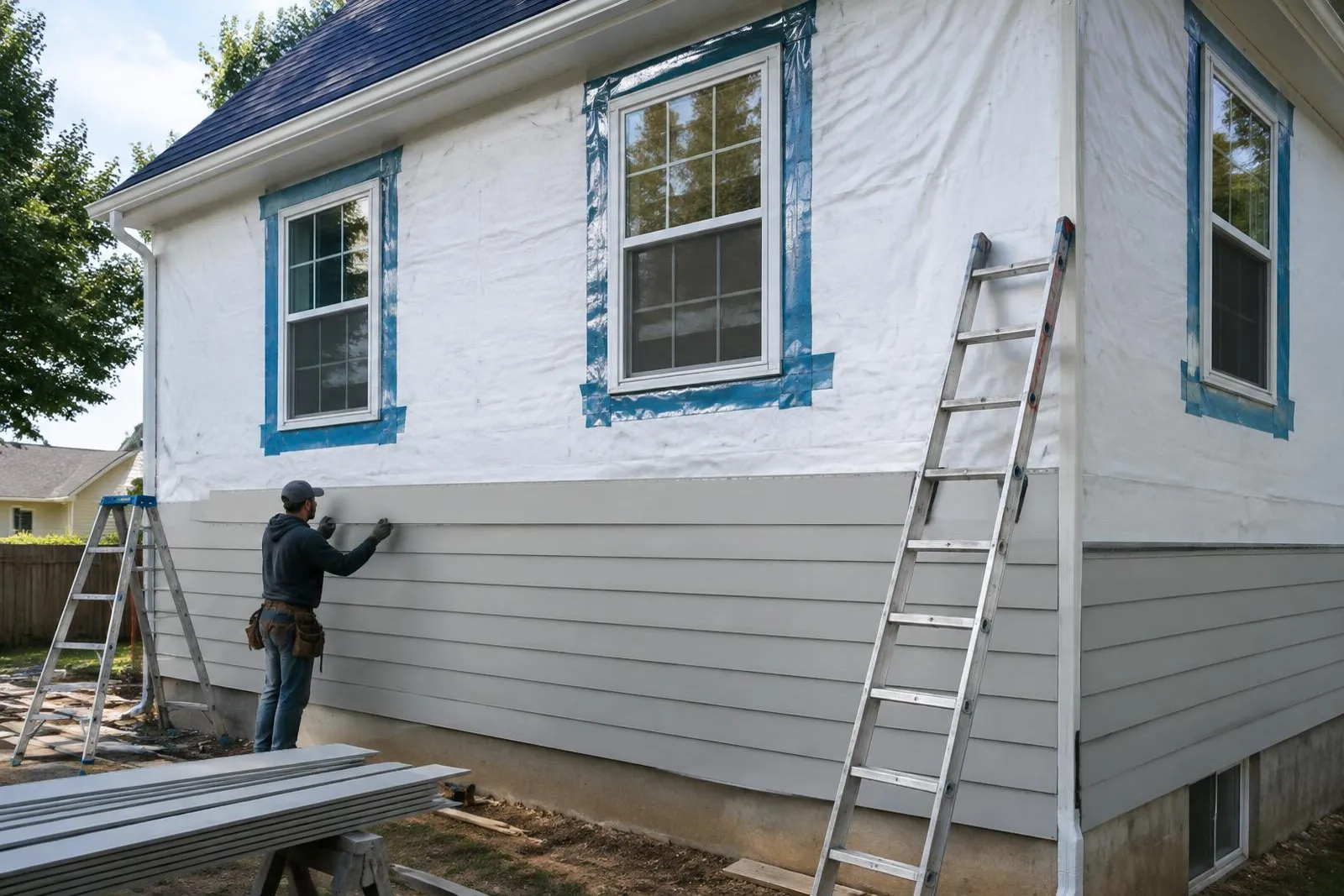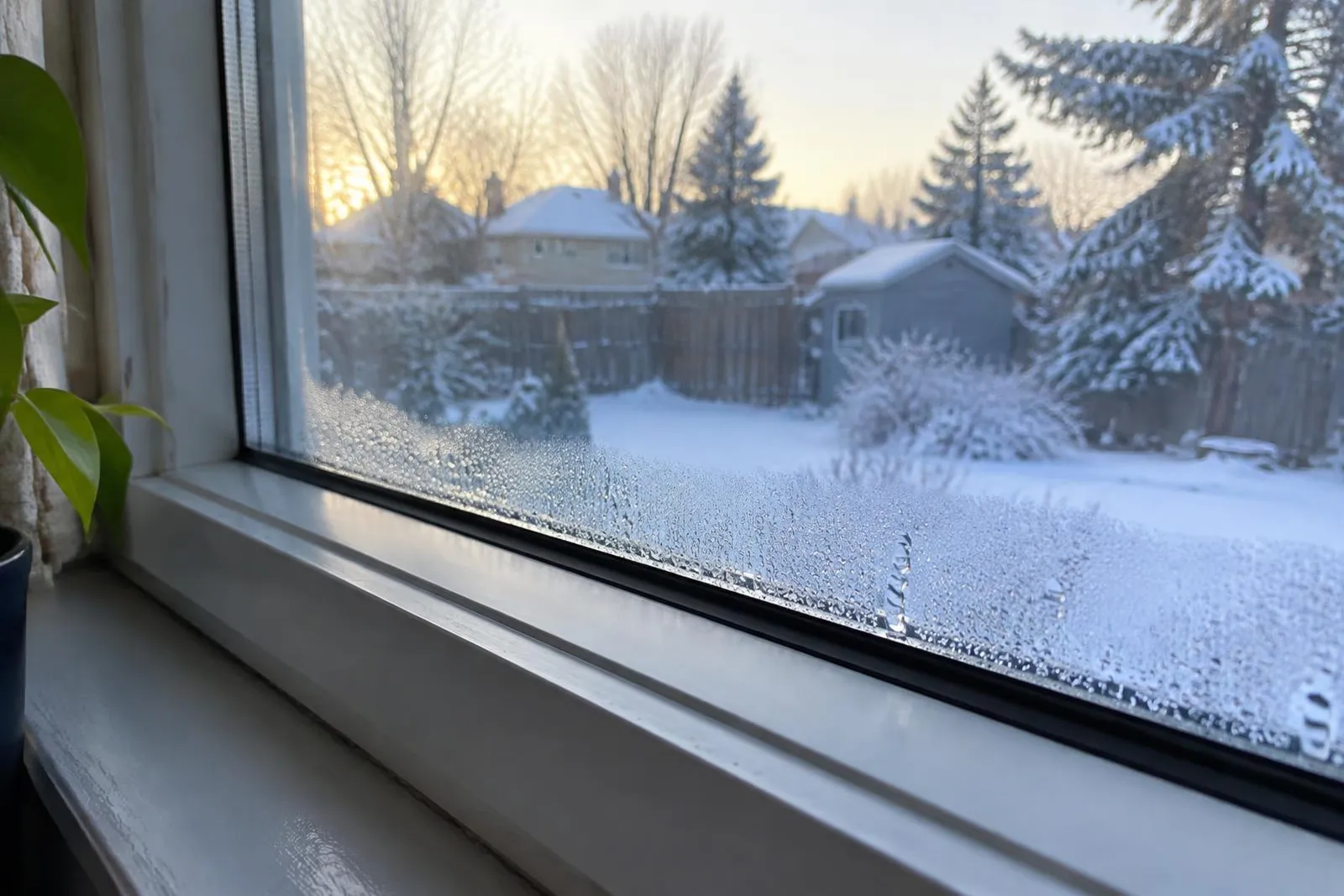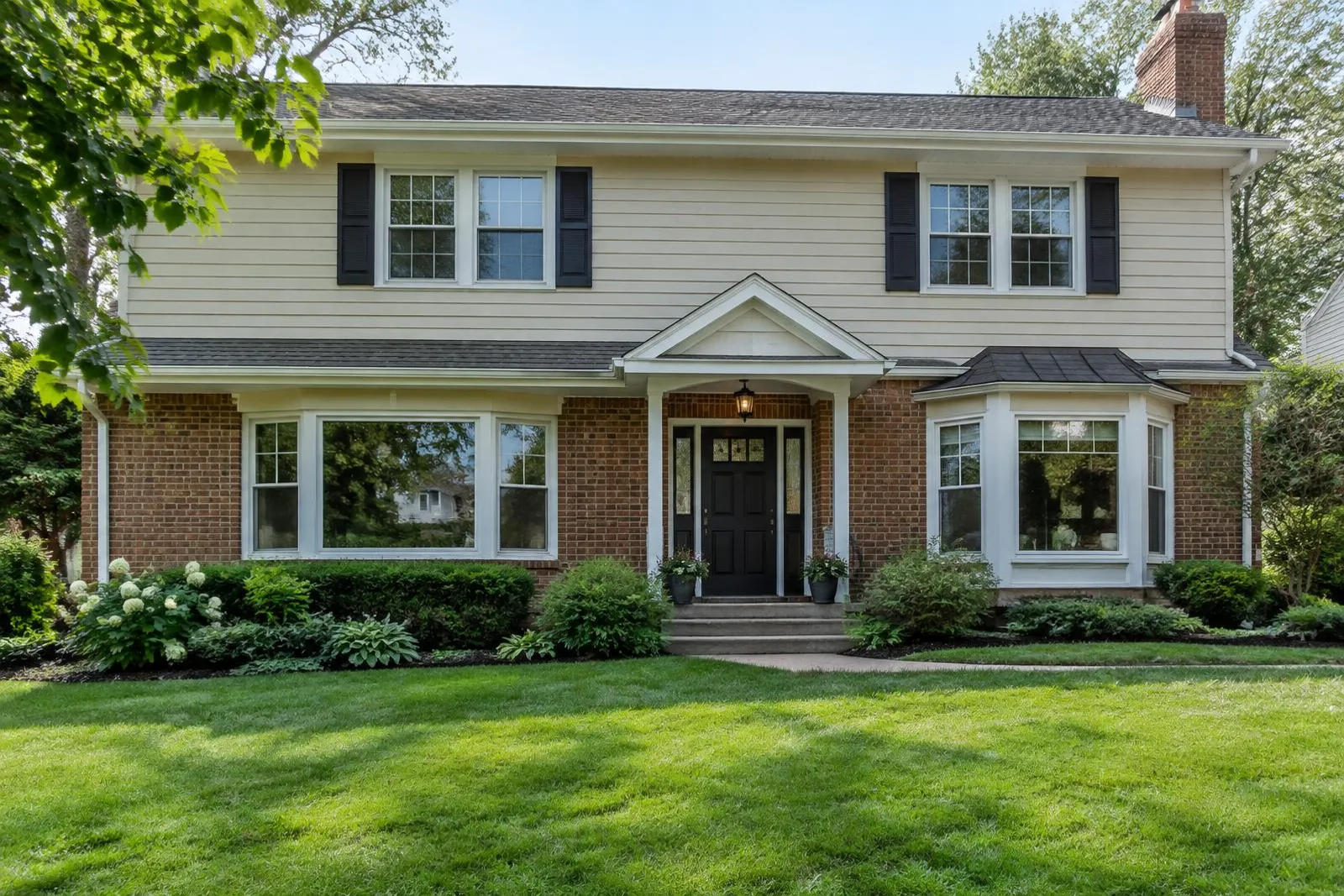
When you replace windows, you are not just picking a brand. You are picking how each window opens, how it seals, how easy it is to clean, and how it looks from the street. The right style for a kitchen is often the wrong one for a bedroom.
Here is a straight guide to the window styles we install most in Orland Park and the south suburbs, what each one does well, and where each one fits.
Start with how the window will be used. Before you look at a single catalog, walk through the house and ask three questions about each opening. Do you open this window often, or almost never? Can you reach it easily, or is it over a sink, a tub, or a stairway? Is it in a bedroom, where it may have to work as an emergency exit?
Those answers narrow the choice fast. Most homes end up with a mix of styles, and that is usually the right call.
Double-hung windows. Double-hung windows have two sashes that slide up and down. Both move, so you can open the bottom for a breeze or the top to let warm air out near the ceiling. Most replacement double-hungs also tilt in, so you can clean the outside glass from inside the house.
They are the classic look on the colonials, two-stories, and traditional ranches common across the south suburbs. They fit a window air conditioner, and they rarely look out of place.
The trade-off is the seal. A double-hung closes with sliding weatherstripping where the sashes meet the frame and each other. Building scientists generally rate those sliding seals as leakier than the compression seals on casement and awning windows. A quality, well-installed double-hung still performs well in our winters. It just starts at a slight disadvantage.
Best for: living rooms, bedrooms, and anywhere a traditional look matters.
Casement windows. Casement windows are hinged on the side and crank outward like a door. When they close, the sash presses against the weatherstripping all the way around. That compression seal is why casements are often named the tightest-sealing operating window.
They also open the full height of the window, so they catch a side breeze well. Because you operate them with a crank, they are easy to open where you cannot lean in and lift, such as over a kitchen sink or a deep counter. The screen sits on the inside, where it stays cleaner.
The downsides are practical ones. A casement swings out, so it can get in the way next to a deck, a walkway, or shrubs. The crank hardware is one more part that can wear over time. And a window air conditioner will not fit.
Best for: kitchens, spots that are hard to reach, and homeowners who want the tightest seal.
Awning windows. An awning window is a casement turned on its side. It is hinged at the top and swings out from the bottom. That shape sheds rain, so you can leave it cracked open during a summer shower.
Awnings are often paired above or below a large fixed window, or used high on a wall in a bathroom or basement for light and airflow with privacy. Like casements, they close against a compression seal.
Best for: bathrooms, basements, and pairing with picture windows.
Sliding windows. Sliders have one or two sashes that glide sideways on a track. They are simple, have few moving parts, and work well in wide, short openings. You see them often on ranch homes and in basements.
Like double-hungs, sliders rely on sliding seals. The bottom track also collects dirt and needs a quick vacuum now and then to keep the window moving smoothly.
Best for: wide openings, basements, and simple, budget-friendly replacements.
Picture windows. A picture window does not open at all. With no moving sash, there is nothing to wear out and very little to leak. That makes it one of the most energy-efficient choices, and it gives you the biggest, cleanest view.
The obvious limit: no fresh air. Many homeowners solve this by flanking a picture window with casements, or placing an awning below it.
Best for: living rooms, views, and anywhere you want light more than airflow.
Bay and bow windows. Bay and bow windows project out from the wall. A bay usually has three windows, a large center unit with two angled side units. A bow uses four or more windows in a gentle curve. Both add light, a sense of space, and often a seat or shelf inside.
They take more planning than a standard window. The unit has to be supported properly, the roof or top over it must be sealed and insulated, and the underside needs insulation too. When those details are skipped, a bay can feel drafty in January. Done right, it becomes the favorite spot in the house.
Best for: living rooms and dining rooms where you want a focal point.
Bedrooms and basements: check the egress rules. Here is the part people forget. The residential building code requires an emergency escape opening in sleeping rooms, including many finished basement bedrooms. Under the International Residential Code, that opening must have at least 5.7 square feet of clear open area (5.0 at grade level), be at least 24 inches high and 20 inches wide when open, and have a sill no higher than 44 inches off the floor.
Style makes a big difference here. A casement opens almost its full size, so a smaller casement can meet the rule. A double-hung or slider only opens about half its size, so it needs a bigger overall window to give the same clear opening. Local villages adopt and apply these rules in their own way, so your installer should confirm the requirement with your village before ordering bedroom or basement windows.
What matters more than the style. Whatever styles you choose, a few things decide how well the windows perform in a south suburbs winter:
The glass package. Low-E coatings, argon fill, and warm-edge spacers. We cover these in our article on energy-efficient windows for Chicago winters.
The label numbers. Every rated window carries a National Fenestration Rating Council (NFRC) label. A lower U-factor means less heat loss.
The installation. A tight window installed poorly will still leak. Proper flashing, insulation around the frame, and a square, level opening matter as much as the window itself.
Mix and match with a plan. Most homes look best with a consistent style on the front of the house, then the most practical style room by room everywhere else. Matching frame colors and grille patterns keeps it all looking intentional.
See the styles in person. SWS Siding & Windows has replaced windows across Orland Park and the south suburbs for 30+ years. We install Marvin, Andersen, and Alliance windows in a wide range of styles, including bay and bow windows. At your free estimate, we will walk through your home room by room and suggest the style that fits each opening, with no pressure. Call 708-215-2737 or request a free estimate online.